
The Kansas City Monuments Coalition is proud to sponsor a speaker series featuring scholars and community organizers that address pressing topics in public history.
Stephen Aron: Removal, Reparation, Repatriation, and Reconciliation
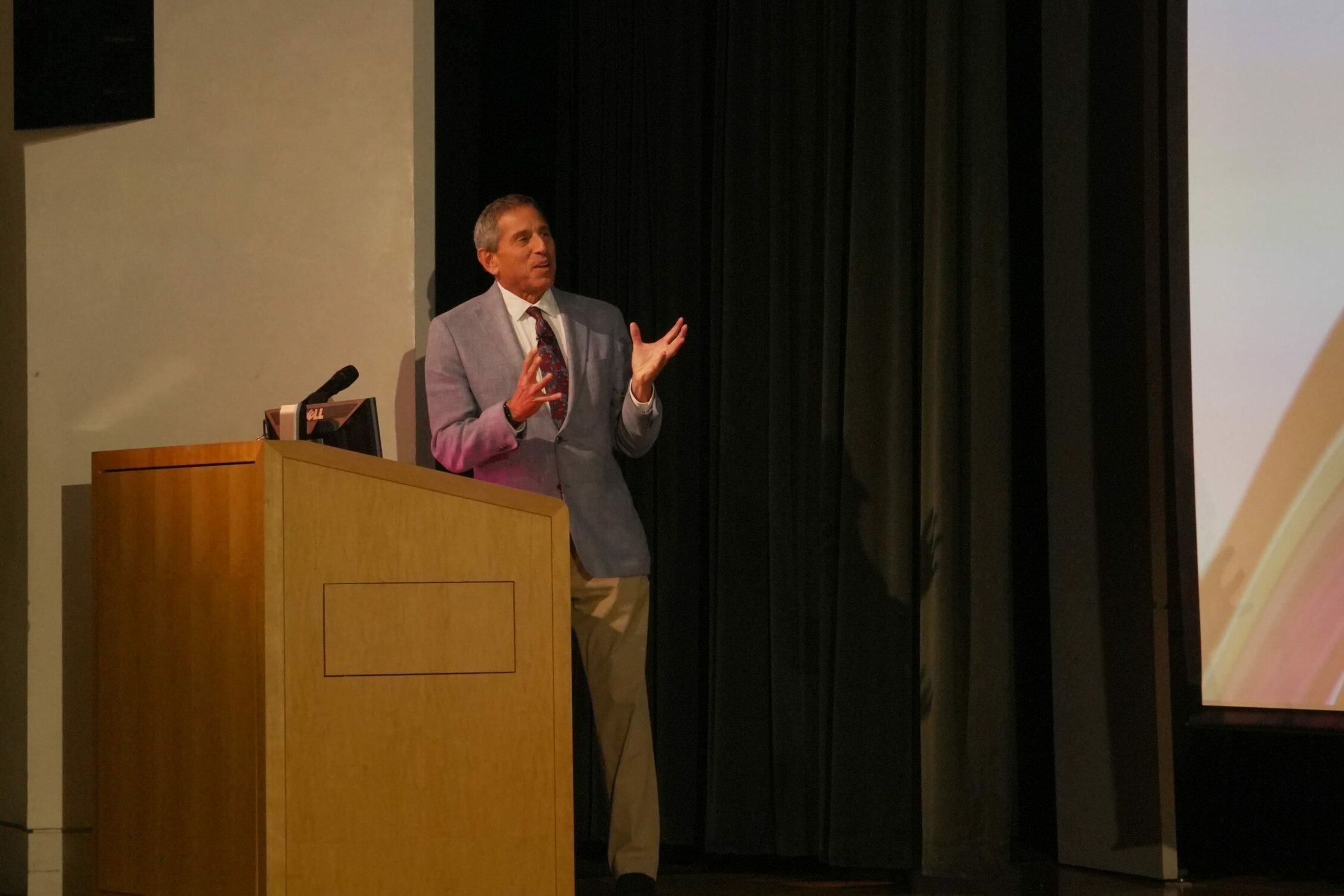
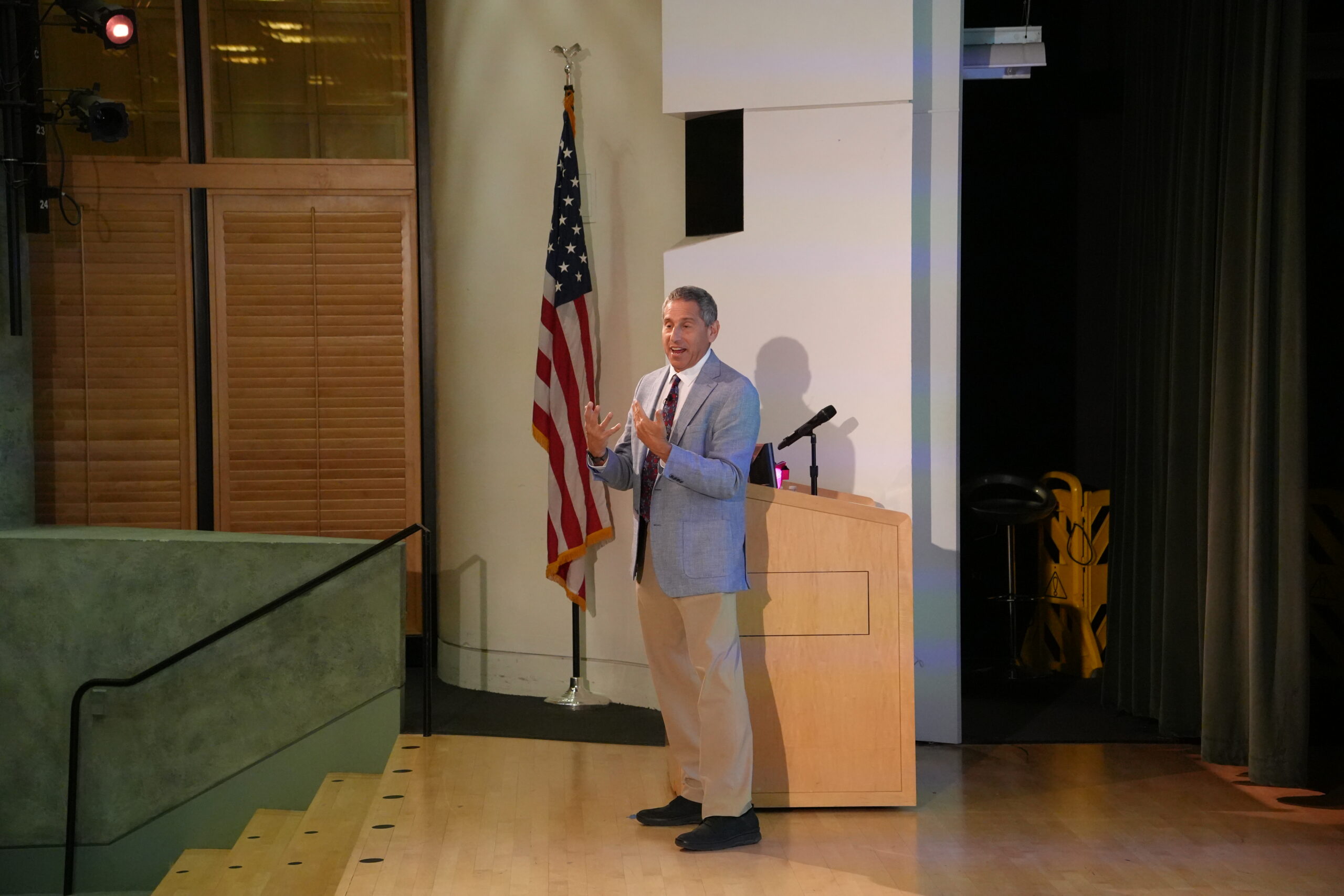
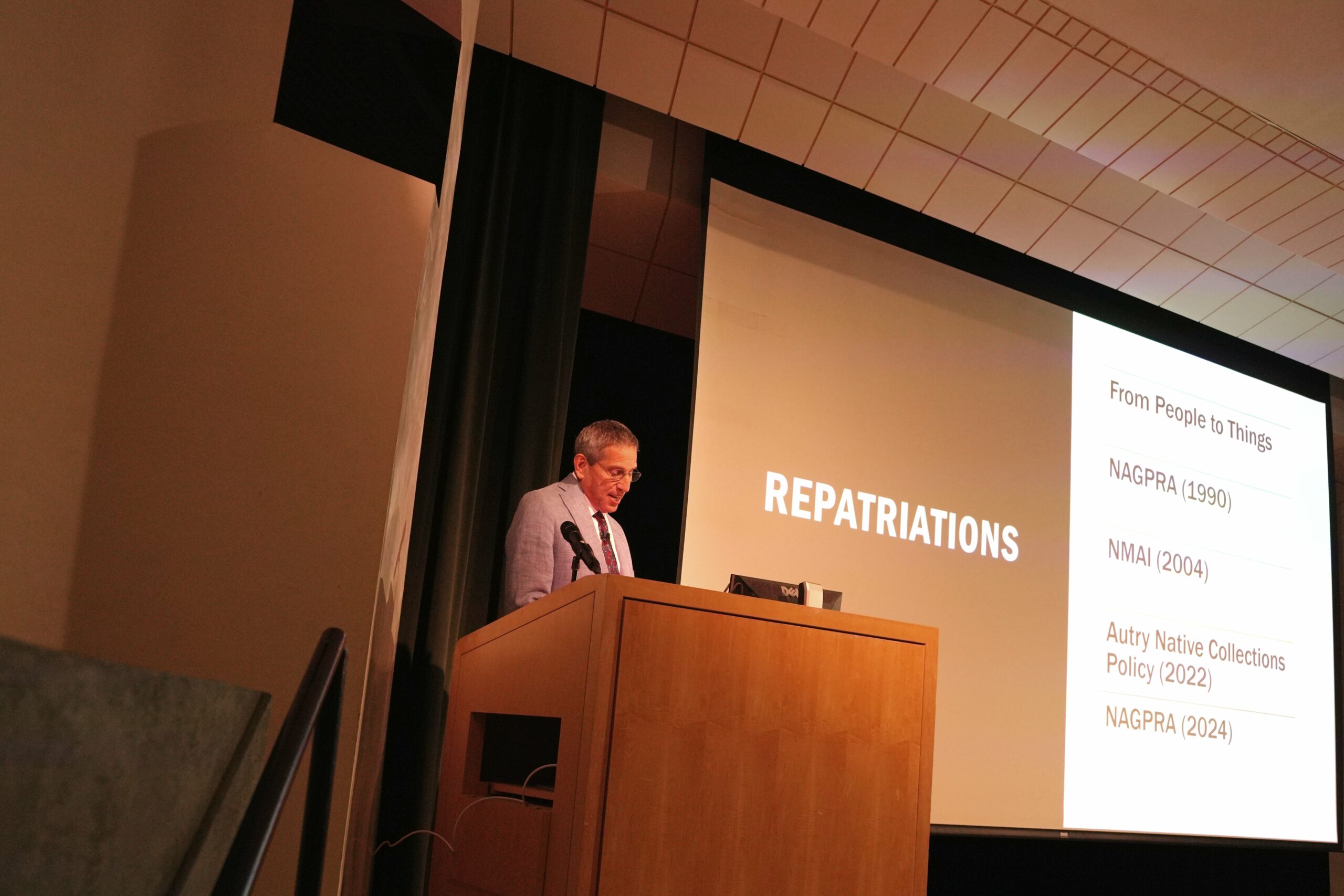
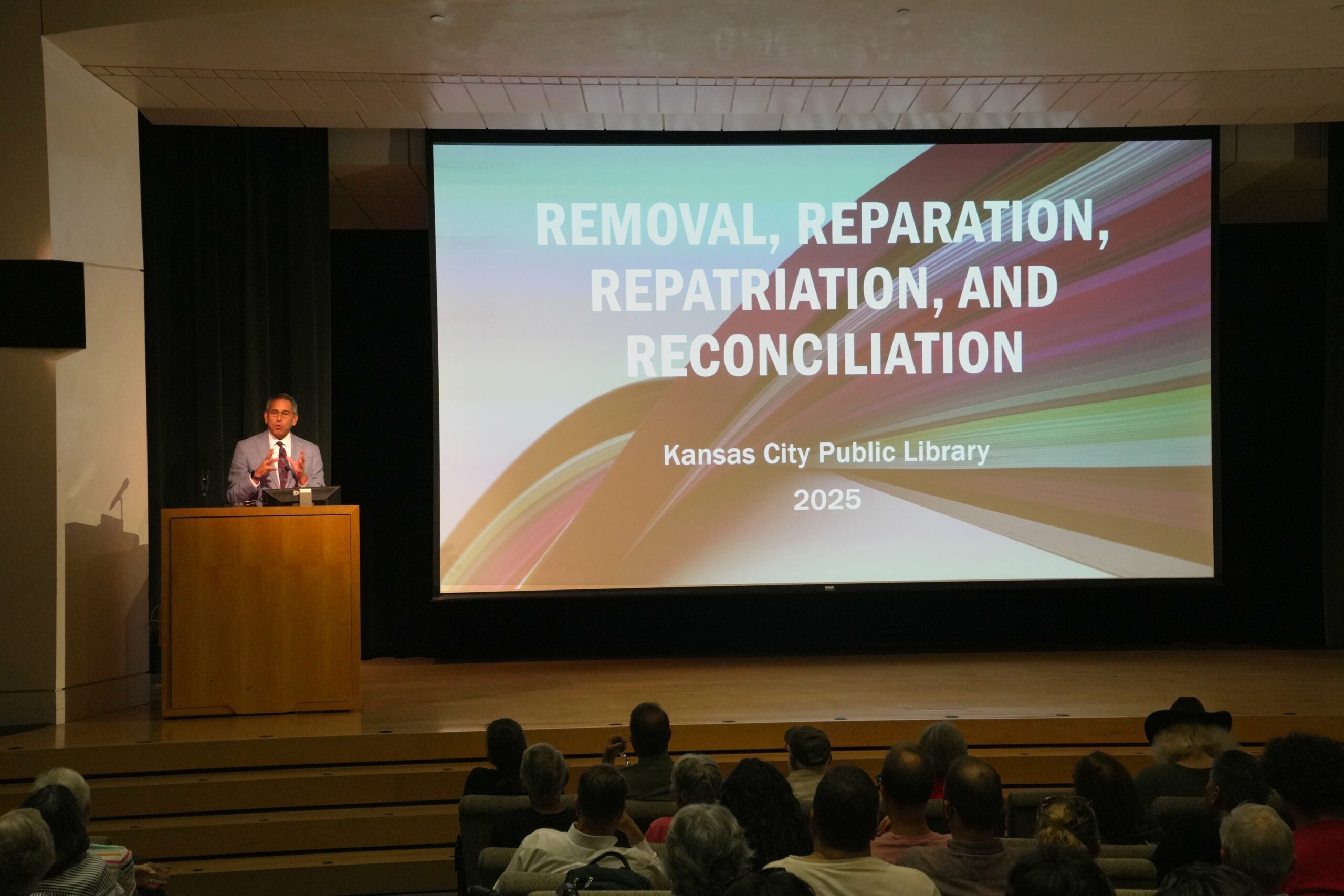
Dr. Stephen Aron, director, president, and CEO of the Autry Museum of the American West, discussed the legacy of Indian Removal on American landscape in its physical, monumental, and cultural forms. Aron contends that we need to grapple with removal as the expulsion of Native peoples not just through Missouri, but from Missouri as well. This dispossession was marked not just by forced deportations by the government, but by the latter appropriation and control of Indigenous artifacts by museums and historic sites. Aron argues that museums should go beyond basic repatriation of artifacts to their Native owners, and instead need to embrace reconciliation with Indigenous communities, where communities can be healed by reclaiming their artifacts, and museums can build trust with these partners, making their collections more responsive and responsible.
See Dr. Aron’s talk here:
Thavolia glymph: Civil War Arithmetic
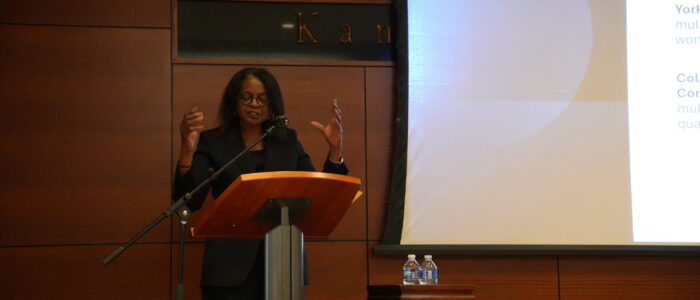
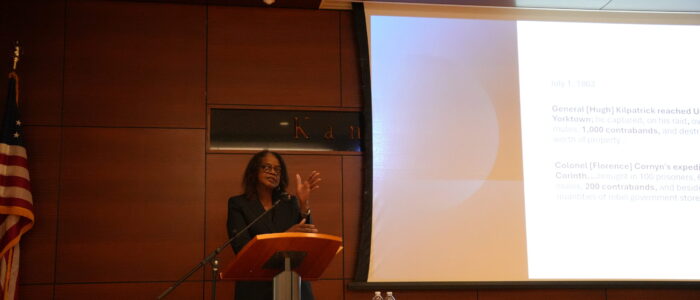
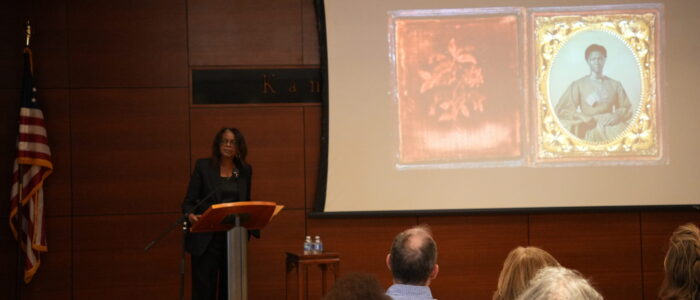
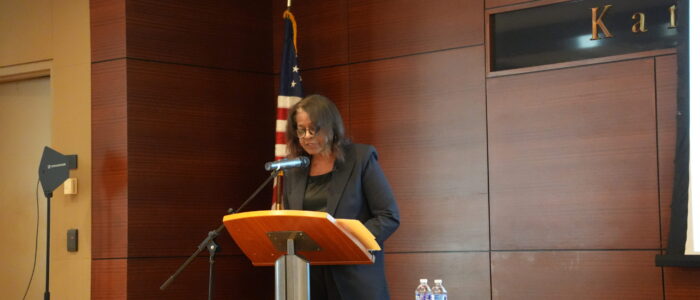
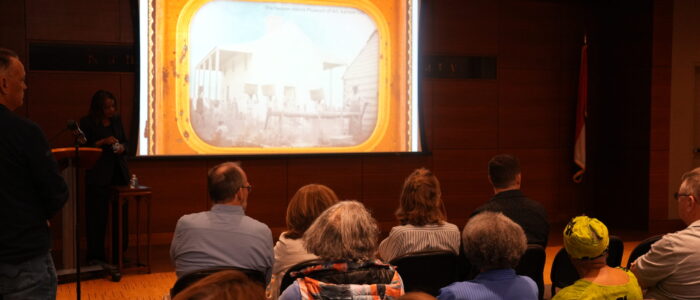
Many writers and artists have focused on the overwhelming total loss of life during the Civil War — an estimated 1.5 million casualties of all ages, ethnicities, and genders. Less visible and documented is the conflict’s specific impact on Black women and children.
Historian Thavolia Glymph draws on her research, centered on slavery, emancipation, Reconstruction, labor, and women in the U.S. South, to discuss what’s been overlooked in contemporary and historical accounts.
A professor of history and law at Duke University, Glymph is the author of two books, including The Women’s Fight: The Civil War’s Battles for Home, Freedom, and Nation. She’s published numerous articles and essays and served as co-editor of two volumes of Freedom: A Documentary History of Emancipation, 1861-1867.
Glymph is also the past president of the American Historical Association and the Southern Historical Association, and an elected member of the American Academy of Arts and Sciences.
James Grossman: How History Shaped Our Times
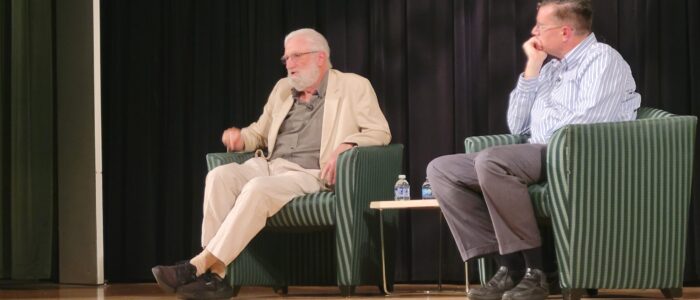
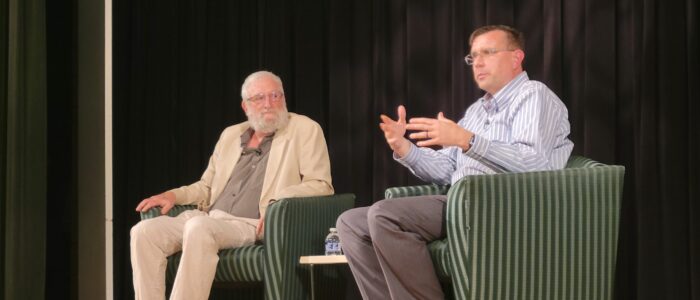
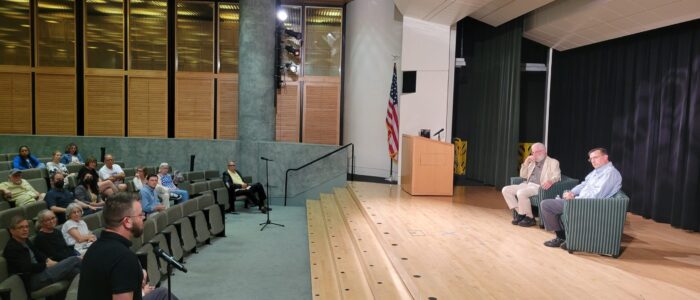
What is history? How do historians do their work? And why does it matter?
Former executive director of the American Historical Association James R. Grossman has been deeply involved in navigating the shifting meaning of the past and how it is being used as a tool today. In a conversation with David Trowbridge, Grossman discusses the nature of these changes, how memory and history clash and combine to form our concept of ourselves as Americans, and the role of historians in these debates.
Grossman led the AHA from 2010 to 2025. Before that, he was vice president for research and education at the Newberry Library and taught at the University of Chicago and the University of California, San Diego. He’s the author of Land of Hope: Chicago, Black Southerners, and the Great Migration and A Chance to Make Good: African Americans, 1900-1929. He’s also served as a consultant on history-related projects with the BBC, Smithsonian, theater companies, filmmakers, museums, libraries, and more.
Trowbridge is an associate research professor of digital and public humanities at the University of Missouri-Kansas City. His research and teaching focuses on using technology to connect people to history. In addition to writing the textbook, A History of the United States, he also created Clio, a free website and app that gives people information about historical and cultural sites. He is a co-founder of the Kansas City Monuments Coalition, which launched in 2024.
Video Coming Soon