
KCMC Partners
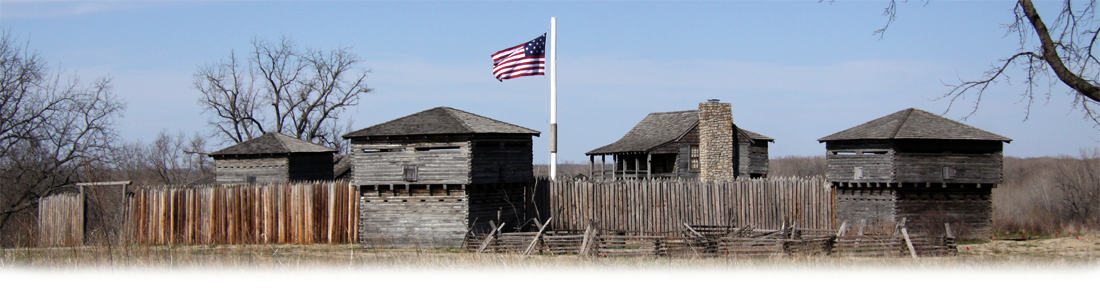
Fort Osage
Built in 1808 under the direction of William Clark of the Lewis and Clark Expedition, Fort Osage served as a trading hub and military post, promoting peaceful relations with the Osage nation. The site’s Education Center houses a museum dedicated to telling the area’s history. Through a grant from the Mellon Foundation, staff will enhance existing exhibitions and upgrade environmental controls to protect its artifacts.
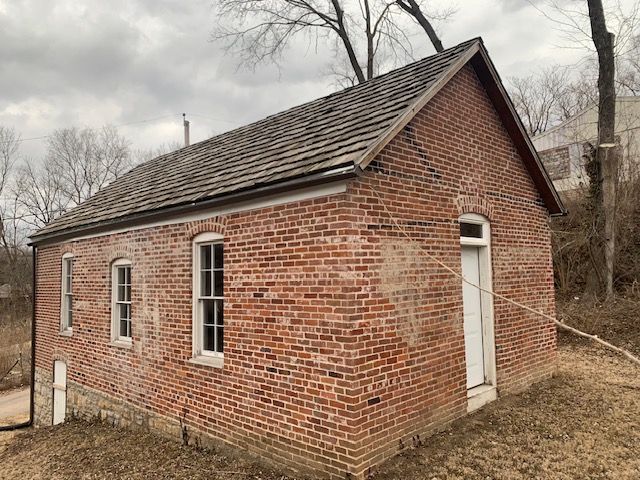
Banneker School Foundation
The Banneker School Foundation and Historic Site mission is to restore the building to its original condition. It is the intent to maintain the school at its original location and convert it into a living history museum with an outdoor interactive history walk. Where STEM projects for all levels of classroom learners and the public can experience an interactive history walk with a deep cultural awareness, history, and understanding of the value of diversity. We are moving forward with restoration projects and continue to make progress on our reconstruction master plan goals.
Salus Populi Pension Project
SP3 is a Digital Humanities initiative to create a publicly accessible archive for the pension records of Missouri’s United States Colored Troops. The stories of these veterans, their families, comrades, and communities have long remained hidden. Through retrieval, digitization, transcription, contextualization, community mapping and memorialization, their stunning contributions to our collective history will be revealed. The final site will be a framework for discovery; giving access to descendants, researchers, educators, historians, and community members through primary source documentation previously restricted by significant research and paywall challenges.
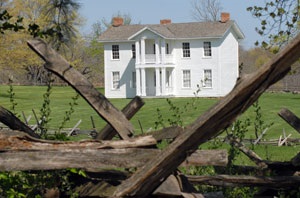
Missouri Town
Missouri Town Living History Museum is an outdoor site where Jackson County Parks + Rec showcases historical structures and life in 1850s Missouri. Staff and volunteers dress in historical clothing to bring 1850s life to our 21st Century audience. Missouri Town Living History Museum will be renovating the kitchen and creating an exhibit space in our Webb House. The money received as part of the Kansas City Monuments Collation will assist us in completing the first-floor interior of the Webb House, which was brought to the site in 1969.
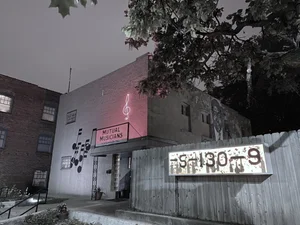
Mutual Musicians Foundation
The Mutual Musicians Foundation International preserves and promotes Kansas City’s historic jazz legacy and the heritage of Local 627, and the Mutual Musicians Foundation,INC, home of the longest continuously operating jazz house in the world. We provide music education, preserve historic narratives, and host programs that celebrate and sustain our city’s cultural heritage. Through performance, education, and advocacy, we connect the legacy of the past with the artists and audiences of today.
Wyandot Nation of Kansas
Trespassers Beware! Fort Conley and Wyandot Women Warriors is a commemorative public art project that illuminates the story of the Wyandot Conley sisters who occupied the historic Wyandot National Burying Ground in Kansas City, Kansas, saving it from urban development and erasure. Their decades-long activism and legal arguments protected this sacred land and contributed to preservation and tribal sovereignty movements. Trespassers Beware! re-imagines Fort Conley, a small dwelling the sisters built inside the Wyandot cemetery and lived in for years to defend their family’s sacred resting place. This monumental public art work is designed as a “mobile monument” which will travel to multiple sites within the Kansas City metro. The Omakyehstih Collective has been commissioned as the lead artists for this work.
Garrison School
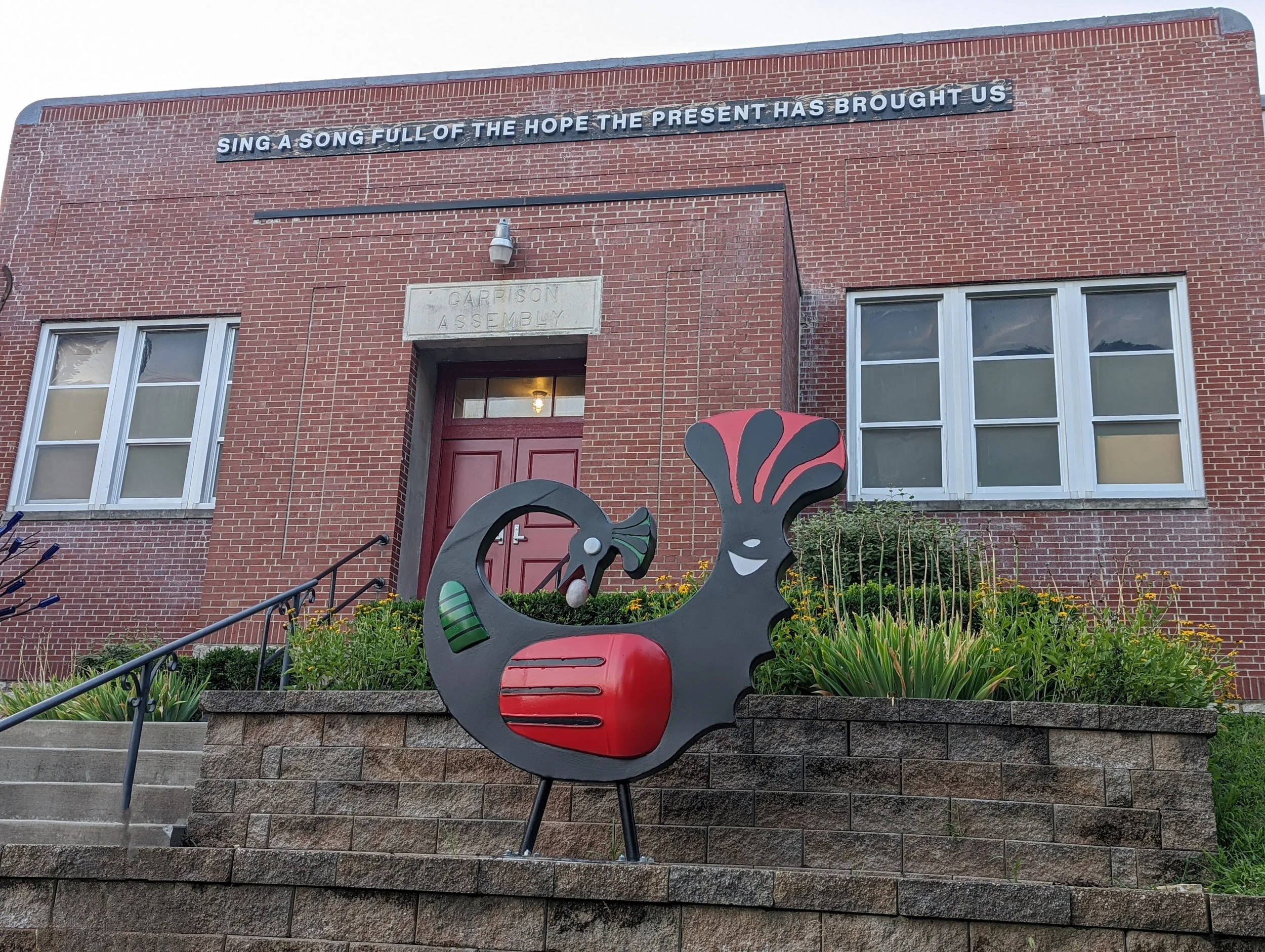
Listed on the National Register of Historic Places, Garrison School is the last standing Civil Rights Monument in Clay County. As one of the sixteen recipients of the KC Mellon Foundation grant, Garrison will use the funding to expand interpretation and programming related to the African American narrative and history in Clay County. Specific initiatives include the creation of a vintage exhibit highlighting the history of Black foodways and local chefs, the commissioning of two historic murals for the courtyard entrance, the publication of a history on African American Clay Countians, the commissioning of a bust sculpture honoring a Black pioneer of the county, and interior and exterior restoration.
Luis Quintanilla Murals
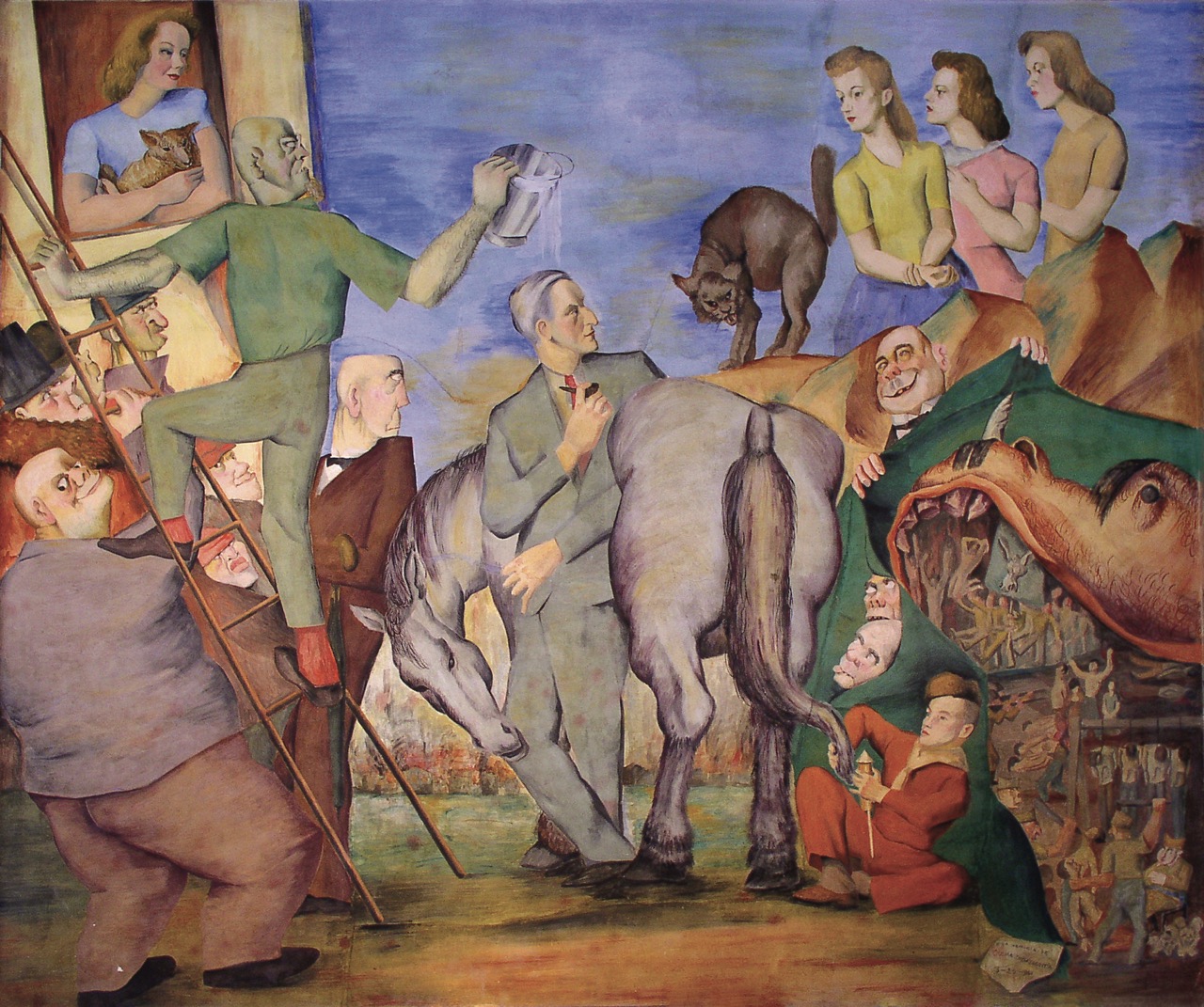
In the early 1940s the renowned Spanish artist Luis Quintanilla (1893-1978) painted the “Don Quixote Murals” on the walls of the Liberal Arts Building of the University of Kansas City (today UMKC). These pieces are one of only two extant mural series painted by Luis Quintanilla that survived the destruction of his art under Francisco Franco’s dictatorship (1939-1975). Like many other artists and intellectuals who opposed Franco, Luis Quintanilla was forced to live his adult life in exile. While these unique murals received attention when they were finished, the interest on them faded overtime. Our project aims at recovering the history of these frescoes and reconnect them to UMKC’s campus community, the muralist movement in the 1940s, the influence of Spanish aesthetic trends in Kansas City, and the community of Spanish exiles who saw in Don Quixote the character that best represented their displacement.
Steptoe Lives
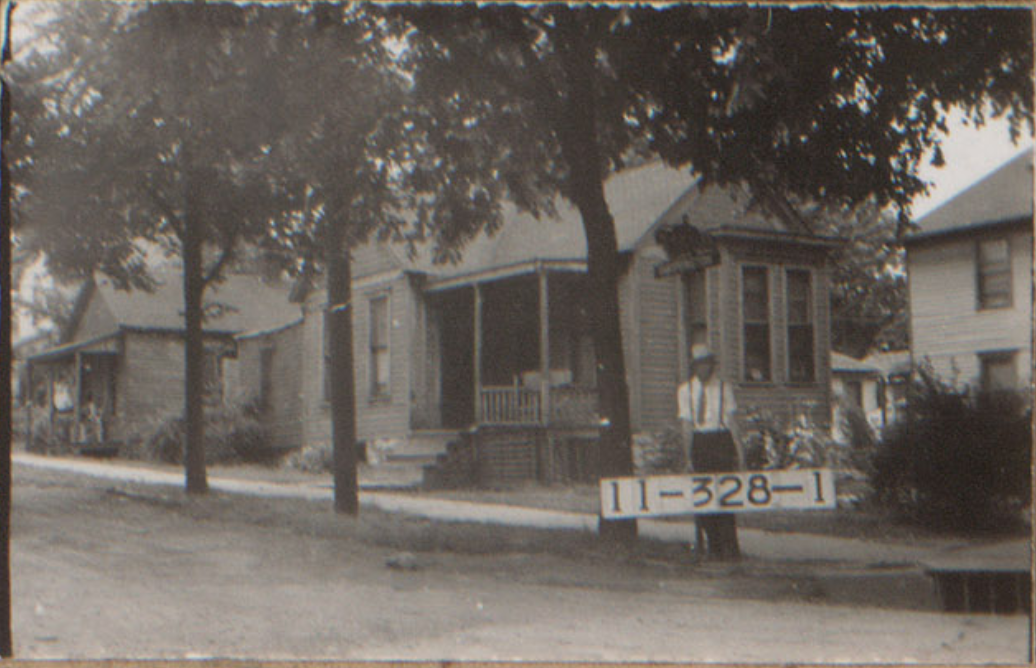
Although most of the buildings in Midtown Kansas City’s former African American
Steptoe neighbourhood have been demolished, Steptoe Lives works to keep its legacy alive. The coalition of former residents, neighbourhoods, churches, and other stakeholders successfully changed the name of W. 43rd Terrace back to Steptoe Street, researched the history of the formerly enslaved people who first settled the area, and is working on exhibits and walking tours of the area. The grant from the Mellon Foundation will enhance our efforts to commemorate Steptoe at a park located at Broadway and W. 43rd Street in Kansas City, very near to where the Penn School, the first school west of the Mississippi built for the express purpose of educating Black children, once stood.
Wornall-Majors House Museums
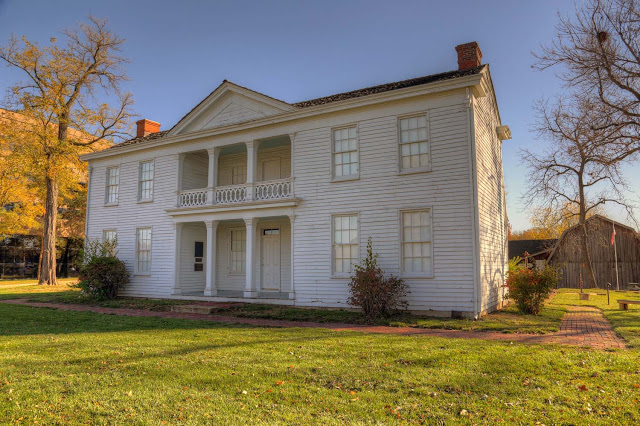
The Wornall-Majors House Museums preservers and interprets two of the few extant antebellum structures in Kansas City. The WMHM will use their Mellon funds to expand the scope and scale of their interpretive work at these two sites, embracing a wider vision of the sites’ histories and meanings. Both museums intend to focus on the enslaved men and women who worked in these homes, telling their stories through the homes they worked in. the WMHM intends to create a digital database and exhibit that will allow broad audiences to access and engage with this history in Kanas City. In addition, the museums will focus their efforts on new translations of their material, making exhibits appealing to international guests, especially with the approaching World Cup.
Quindaro and Western University
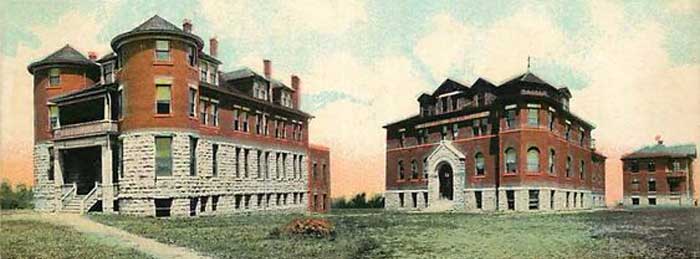
Quindaro was a short-lived Free State settlement on the Missouri River in modern Kansas City, Kansas. Formed by antislavery settlers in 1857, the boom town was tied to the Underground Railroad and served as a counterpoint to the more proslavery settlements in western Missouri. Though the town collapsed by the end of the Civil War, its ruins remain a vital archeological site to interpret Bleeding Kansas. Moreover, the site also houses the remains of Western University, a historically black university operated by the African Methodist Episcopal Church from the 1880s into the 1940s. Mellon funds will help preserve and interpret the ruins of Quindaro, as well as promote Western University’s legacy of black education from the end of slavery into the twentieth century.
Greater Kansas City Black Women Suffragist Committee
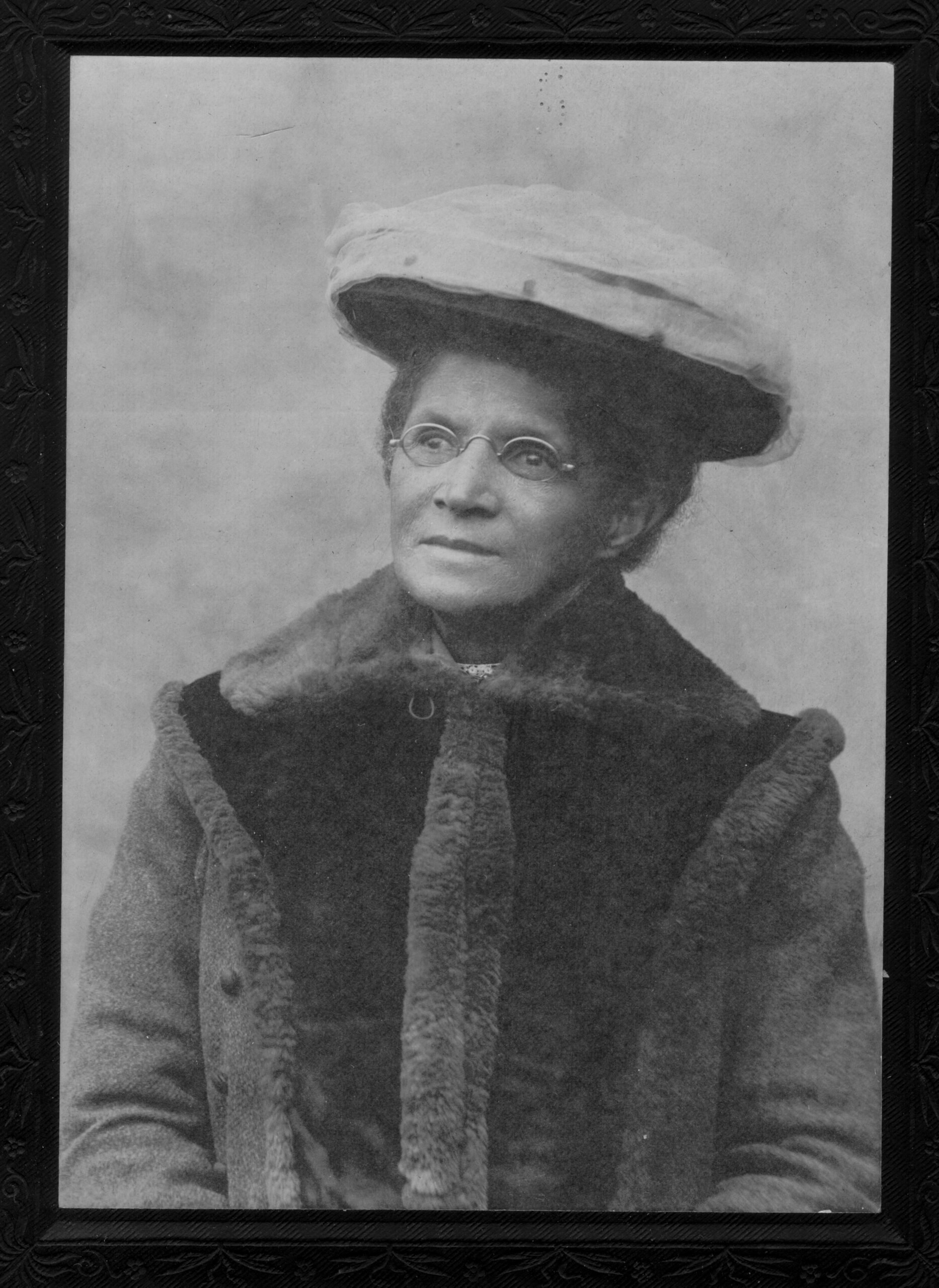
The Greater Kansas City Black Women Suffragists Committee (GKCBWSC) was formed in the Fall of 2020 to identify area Black women suffragists and activists who should be known and commemorated. Its mission is “to enshrine the lives of those who dedicated themselves to a just cause, to illuminate the dynamic history of local suffrage and the fight for women’s rights, and to inspire our community to continue to protect the right of all people to vote.” Currently, GKCBWSC is constructing a plaza at the Black Archives to celebrate these women.
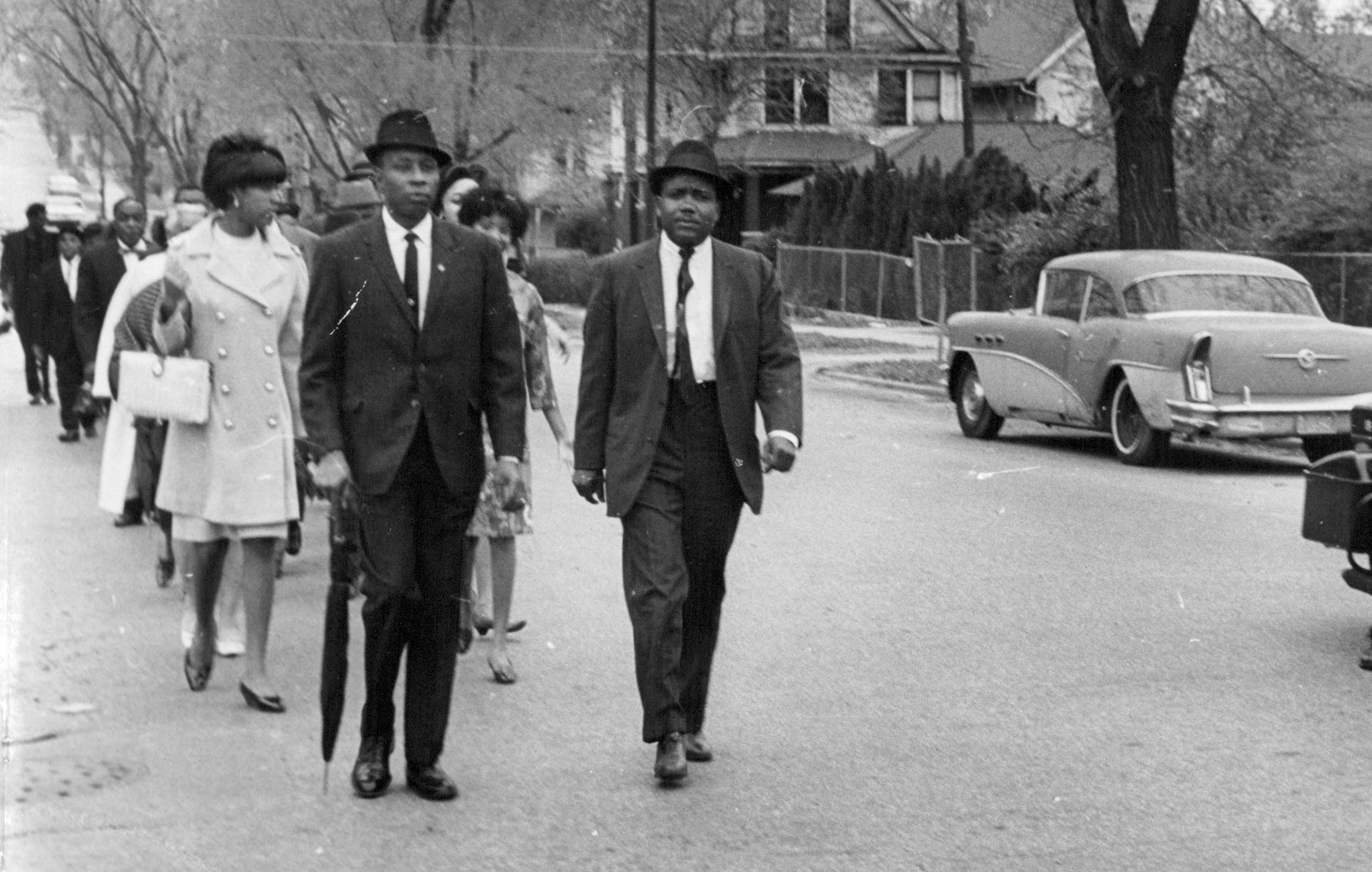
KCPL–An Era of Rights: Kansas City’s Struggle for Equality
This digital history project will document the major events and themes of Civil Rights struggles in Kansas City and surrounding regions, concentrating on the mid- to late twentieth century. Diverse communities led movements for justice and equality that contributed to national legacies in ways distinctive to Kansas City. The website will feature original scholarship and a collection of digitized primary source materials, photographs, correspondence, oral histories, postcards, and audio/visual recordings from regional cultural heritage organizations.
Clio
Named in honor of the muse of history, Clio is an educational website and mobile application that guides the public to historical and cultural sites while offering a concise history of each landmark. Clio also offers interpretive nature trails, art walking tours, and immersive virtual tours of museums and sites.
Clio is nonprofit and free for everyone, and was built by scholars for public benefit. Each entry includes a concise summary and useful information about a historical site, museum, monument, landmark, or other site of cultural or historical significance. To date, over 1000 universities, museums, libraries, and historical societies have authored over 40,000 individual entries for landmarks and 1700 walking tours and trails. Each entry and tour/trail credits the author and the sponsoring organization, and can include links to related books, articles, websites, and media.