
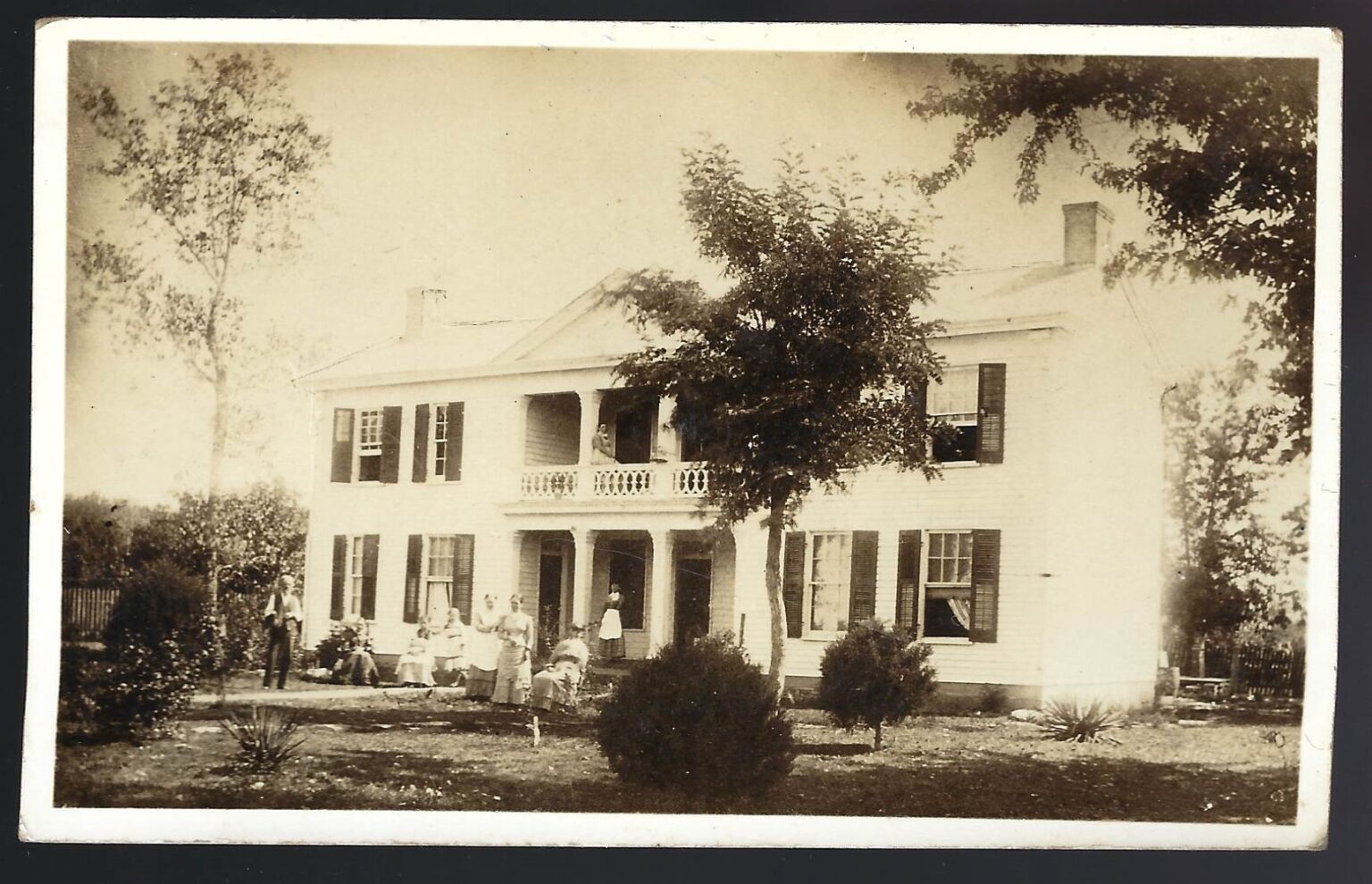
The Wornall and Majors mansions are two of the few extant antebellum structures in the greater Kansas City area. The Wornall house was constructed in 1858 but John Wornall as part of a 500-acre estate. A prosperous farmer, Wornall made his fortune after moving to Kentucky, exploiting his enslaved laborers to plant crops in Missouri. Alexander Majors constructed his home in 1856. Majors was a successful freighter and slaveholder, which garnered him enough wealth to construct his large home. Majors is perhaps most famous for being one of the founders of the short-lived Pony Express.
The WMHM is changing their sites from places that only acknowledge the famous men who built these homes to the people who lived and worked in them. By changing this emphasis, the museums will engage with a much broader swath of American history, taking what were largely local landmarks, and turning them into sites that will help us understand the nation’s history in a more holistic way.
To accomplish this goal, the WMHM has partnered with KCMC and the Mellon Foundation to tackle a series of projects that will make both the history of these places and their delivery more accessible. In the first place, the museum will install an ADA-accessible lift at the Majors house to facilitate easier access for those with disabilities. They will also create self-guided tours in German, French, Spanish and Mandarin, which will not only replicate many of the languages spoken in the Majors house which was a trade hub, but appeal to visitors for the World Cup.
WMHM also intends to highlight the lives of the enslaved on each property. Continuing work already completed at the Wornall House, they will develop signage that names and explores the stories of the enslaved people who lived and worked on the Majors farm. They will also develop a “Naming the Enslaved” website that will digitize public documents relating to the enslaved people in Jackson County, Missouri. Property owners will be able to use this information to apply for markers to honor the formerly enslaved on their properties. In addition, the Majors House will feature new interpretations of the property and Majors’ relationship with Indigenous peoples through his freighting operation.
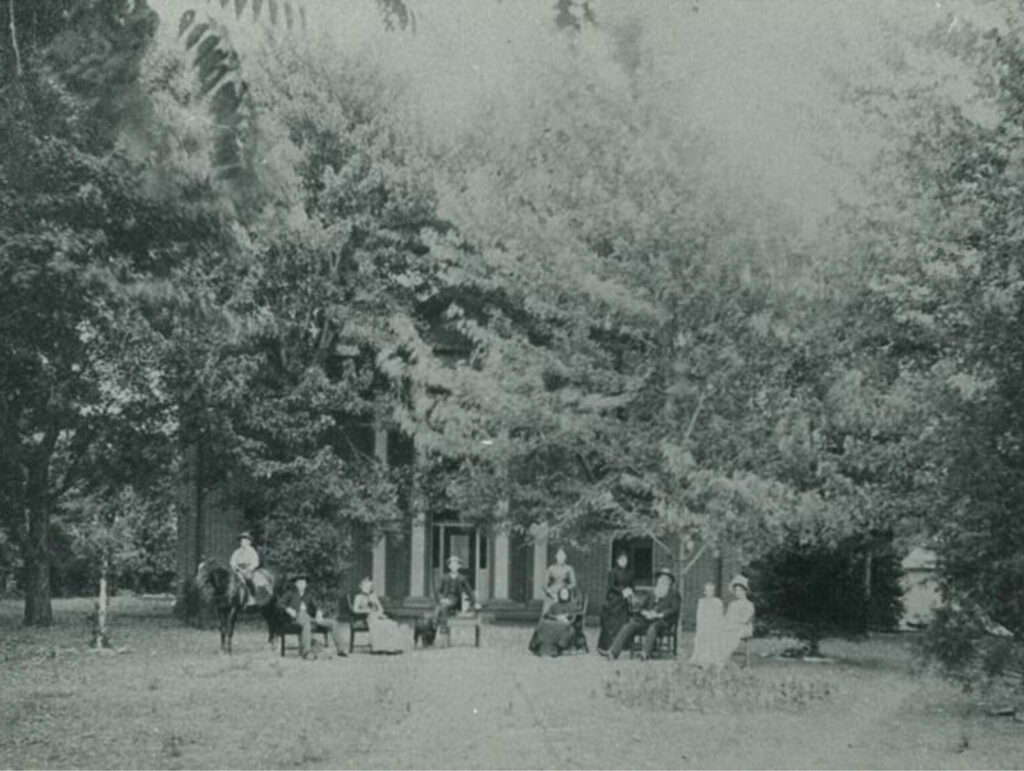
Images provided by the Wornall-Majors House Museums